
Turnkey Renewable Energy Projects: 2026 Strategic Guide

By July 2026, the window to secure the most favourable financial incentives for renewable infrastructure will effectively close for businesses that haven't yet broken ground. Managing the transition to sustainable power is no longer just a corporate social goal; it's a race against rising energy levies and tightening Part L Building Regulations. For many organisations, the primary barrier isn't the technology itself, but the friction of coordinating fragmented contractors and complex G99 grid applications. Implementing turnkey renewable energy projects for business eliminates these management gaps by consolidating design, installation, and commissioning into a single, accountable workflow.
You likely recognise that a disjointed approach to solar PV, battery storage, and EV infrastructure leads to avoidable delays and escalating costs. This strategic guide provides a clear roadmap to navigating the 2026 energy landscape with confidence. You'll discover how single-source turnkey solutions maximise your ROI, ensure total regulatory compliance, and provide long-term price security. We will examine the critical synergy between energy generation and storage, the technical requirements of modern grid connections, and the practical steps to future-proofing your commercial property.
Table of Contents
Defining Turnkey Renewable Energy Projects
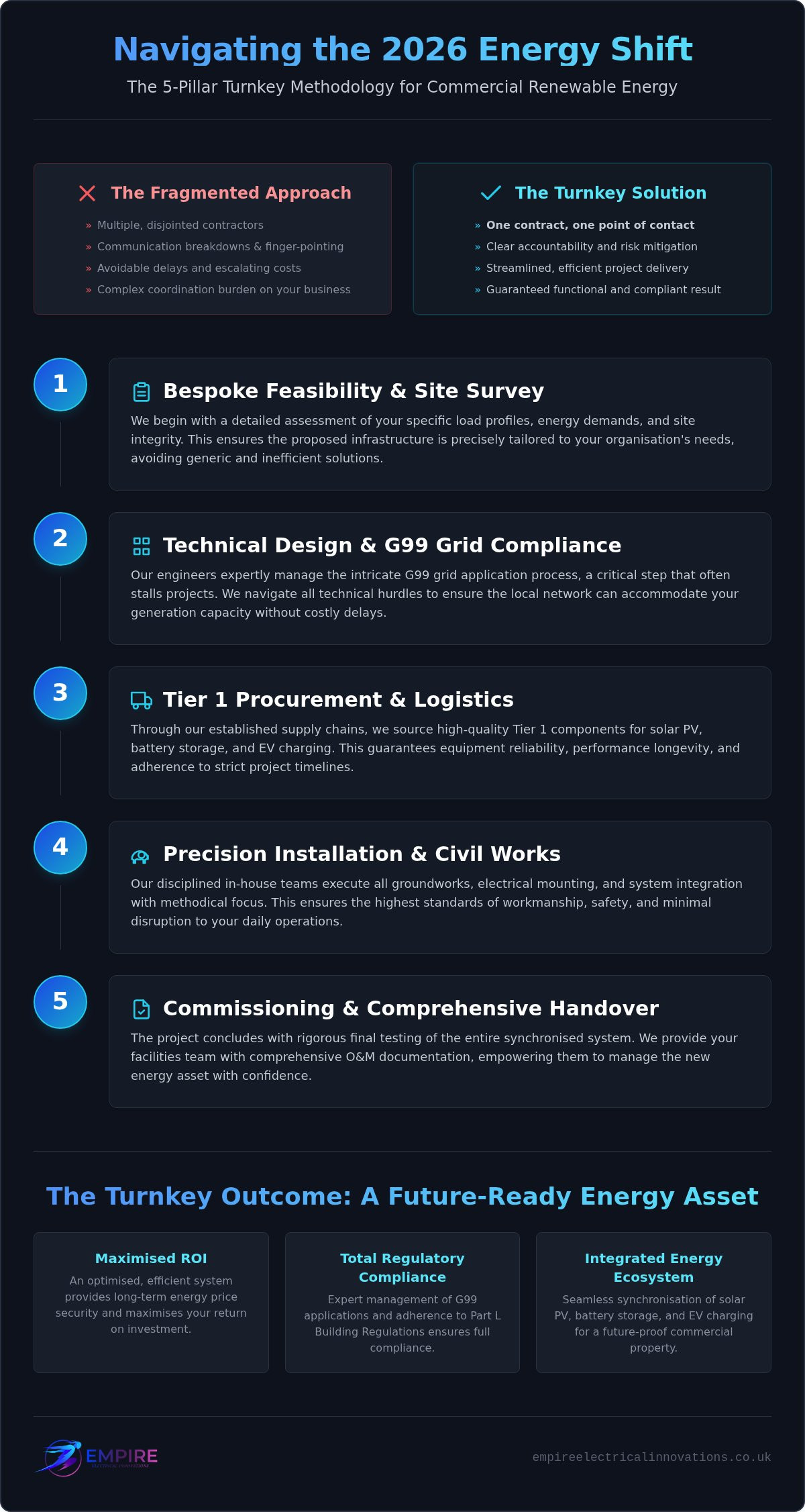
In the context of modern infrastructure, Defining Turnkey Renewable Energy Projects involves moving away from fragmented, multi-contractor models toward a unified delivery system. A turnkey project is a single-contract model where one provider manages every phase of the project, including initial design, procurement, and final construction. This approach places the burden of technical coordination on the specialist rather than the business owner. Historically, commercial energy projects were piece-meal affairs. A business might hire a consultant for design, a separate firm for solar PV installation, and another for battery storage. This often led to communication breakdowns and finger-pointing when technical issues arose.
Transitioning to turnkey renewable energy projects for business provides a clear line of accountability. It adopts the core principles of Engineering, Procurement, and Construction (EPC) but extends them to cover the entire lifecycle of the asset. This quiet authority ensures that complex technical transitions happen behind the scenes. It allows managers to focus on their core operations whilst the infrastructure is built to exacting standards. Reliability is the foundation of this model. One contract. One point of contact. One result.
Turnkey vs. EPC: Understanding the Difference
Whilst the terms are often used interchangeably, subtle differences exist that impact long-term value. Traditional EPC focuses primarily on the technical build phase. In contrast, a turnkey solution is more holistic. It incorporates strategic feasibility studies, bespoke site surveys, and ongoing post-handover support. This ensures the system isn't just built, but is optimised for the specific load profile of the building. Turnkey delivery represents the ultimate risk-mitigation strategy for commercial energy because it guarantees a functional, compliant result from a single point of responsibility. It eliminates the blame game between designers and installers.
Why 2026 is the Year of Turnkey
The landscape for 2026 is defined by energy price volatility and stricter regulatory pressures. Businesses can no longer afford the delays associated with traditional procurement. Turnkey providers are particularly valuable now because they manage the increasingly complex G99 grid application processes. These applications often stall projects for months if not handled with technical precision. Professional management ensures these hurdles are cleared before construction begins.
The shift is also driven by the need for integrated ecosystems. Modern commercial sites rarely install solar in isolation. They require a synchronised mesh of solar PV, battery storage, and EV charger installation. A turnkey approach ensures these components communicate effectively. It creates a seamless energy environment that meets Part L Building Regulations and ESG mandates without the friction of managing multiple vendors. It's about future-readiness. It's about precision.
The Empire Turnkey Methodology: Five Pillars
Execution is the defining factor in the success of The Empire Turnkey Methodology: Five Pillars. Delivering turnkey renewable energy projects for business requires a disciplined, step-by-step framework that prioritises technical precision over speed. We've refined a five-stage process to ensure every installation is compliant, efficient, and built for longevity. This methodical approach begins with a bespoke feasibility study and site survey. We assess your specific load profiles and roof integrity to ensure the building can support the proposed infrastructure whilst meeting your actual energy demands.
The second pillar focuses on technical design and G99 compliance. Our engineers manage the intricate grid application process, ensuring the local network can accommodate your generation capacity without the delays that often plague unmanaged projects. Following design approval, we move into procurement and logistics. We source Tier 1 components through established supply chains to guarantee equipment quality and project timelines. The fourth pillar is precision installation and civil works. Our teams operate with a disciplined staccato rhythm, executing groundworks and electrical mounting with methodical focus. Finally, we conclude with commissioning and handover. This includes rigorous final testing and the delivery of comprehensive O&M documentation to your facilities team.
Bespoke Design and Site Surveys
Generic energy quotes often fail commercial organisations because they ignore the unique constraints of their premises. We use tailored energy modelling to account for the existing electrical infrastructure found in Hertfordshire and London business parks. Integrating solar PV for commercial buildings into the initial design phase allows us to optimise for both physical space and peak energy output. This ensures the final system delivers the predicted ROI and remains fully compliant with current standards.
Integrated Civil Works and Telecoms
A unique advantage of our turnkey model is the synergy between energy and data infrastructure. We operate as specialist telecoms ducting contractors, which allows us to combine civil works. Fibre blowing and cabling can be installed alongside power cables in shared trenches. By adopting a "dig once" philosophy for both energy and data, we significantly reduce site disruption and lower overall project costs. This dual expertise future-proofs your site connectivity whilst we establish your renewable power source. You can book a professional site survey to begin this integrated planning process.
Regulatory Compliance and Financial ROI
Commercial infrastructure in 2026 is defined by a strict intersection of environmental mandate and financial pragmatism. Navigating the current landscape of Part L Building Regulations requires more than just technical ability; it demands a comprehensive understanding of how carbon reduction targets influence property valuation. Turnkey renewable energy projects for business provide a structured path to meeting these standards whilst securing long-term energy price stability. Compliance is the foundation of every project we deliver. By managing the process from initial design to final certification, we ensure that every installation meets the rigorous MCS and RECC standards necessary for insurance validity and government incentive eligibility.
The financial argument for renewables has shifted from speculative to essential. With the permanent reinstatement of 100% bonus depreciation for commercial systems, businesses can now deduct the full cost of solar and battery installations in the first year of service. Industry resources like the Renewable Energy Project Development Toolbox emphasise that aligning technical execution with available capital allowances is critical for maximising returns. For most South East commercial sites, payback periods have shortened significantly as grid tariffs remain volatile. Investing now isn't just about sustainability; it's a strategic move to lock in operational costs before further regulatory tightening occurs.
Part L Compliance for Developers
For those involved in new commercial builds or significant retrofits, understanding Part L building regulations and solar panels is vital. These regulations now mandate a higher threshold for on-site energy generation to hit carbon reduction targets. We integrate renewable design into the early stages of development to ensure seamless compliance. This proactive approach avoids the costly "bolt-on" solutions that often fail to meet aesthetic or technical requirements. MCS certification remains a non-negotiable standard, providing the necessary proof of quality for both building control and commercial insurers.
Maximising ROI with Battery Storage
The true value of a renewable ecosystem is unlocked through intelligent storage. Utilising battery storage for solar panels allows businesses to engage in peak shaving. This involves discharging stored energy during high-tariff periods to avoid expensive grid charges. For larger logistics centres and warehouses, we also explore revenue stacking. This includes frequency response and grid balancing, where your battery assets provide support to the National Grid in exchange for financial returns. These bespoke energy solutions transform a passive roof space into an active financial asset, providing security and income for decades to come.
Sector-Specific Solutions: Tailoring the Approach
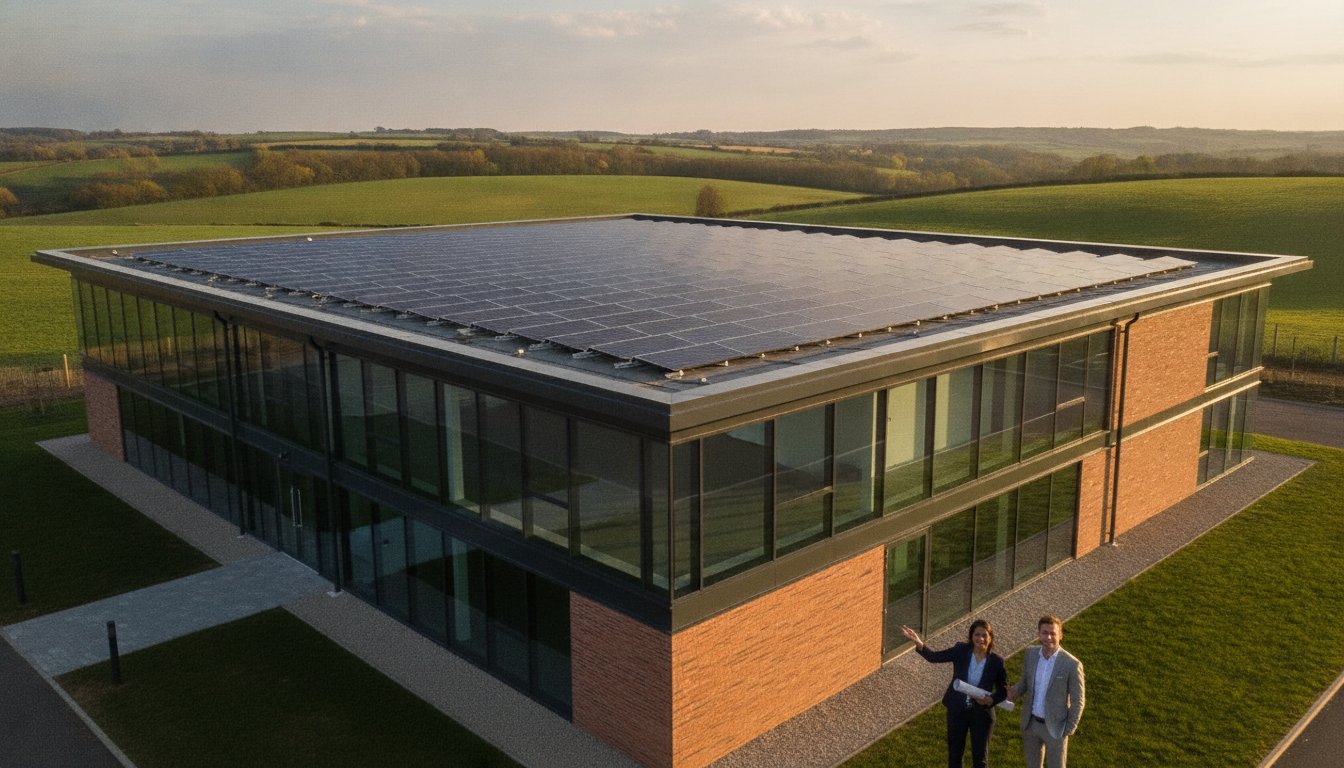
Turnkey renewable energy projects for business must be adapted to the specific operational constraints of each sector. A one-size-fits-all approach fails to account for the unique rhythms of commercial activity. For instance, logistics centres in the South East often possess vast roof areas that are ideal for high-capacity solar PV arrays, whereas schools require a focus on safety and timing. Delivering infrastructure in 2026 requires this level of granular planning. We ensure that the technical design respects the daily functions of the site whilst maximising the available space for generation and storage.
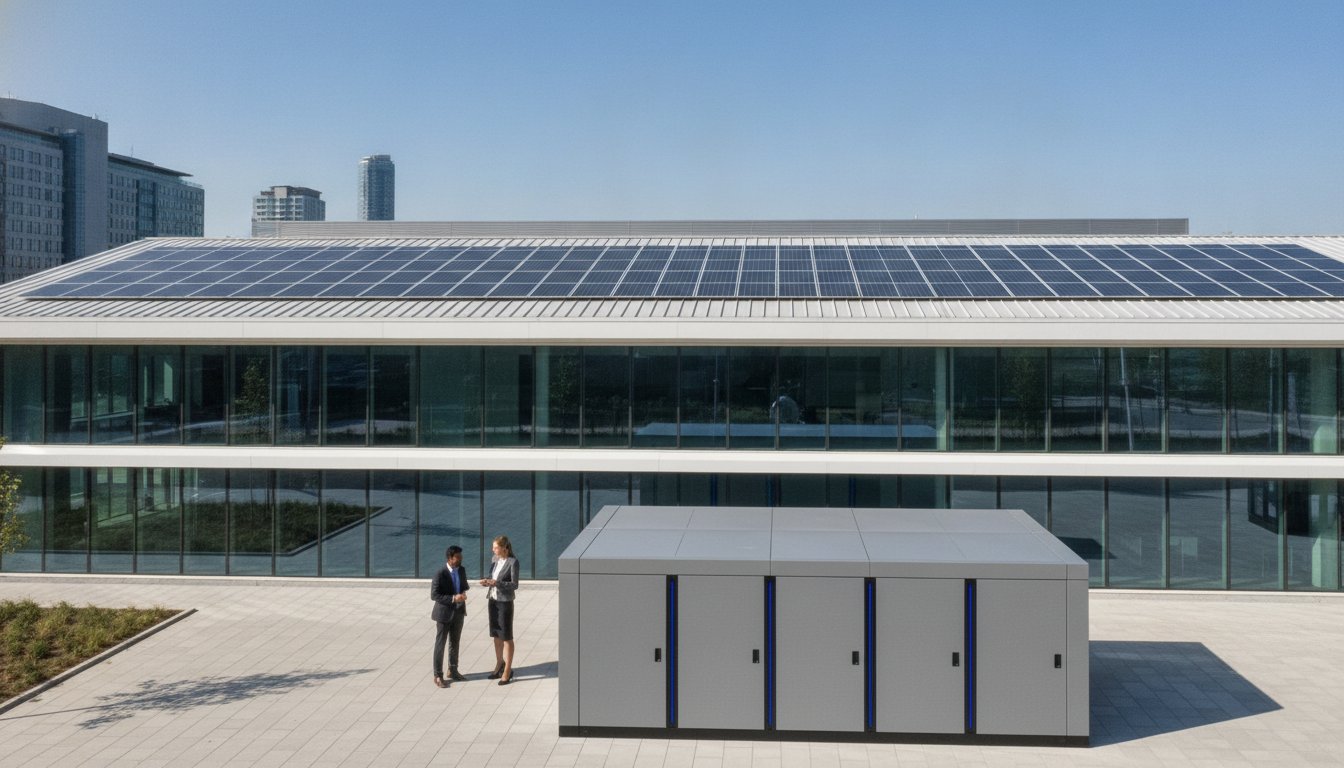
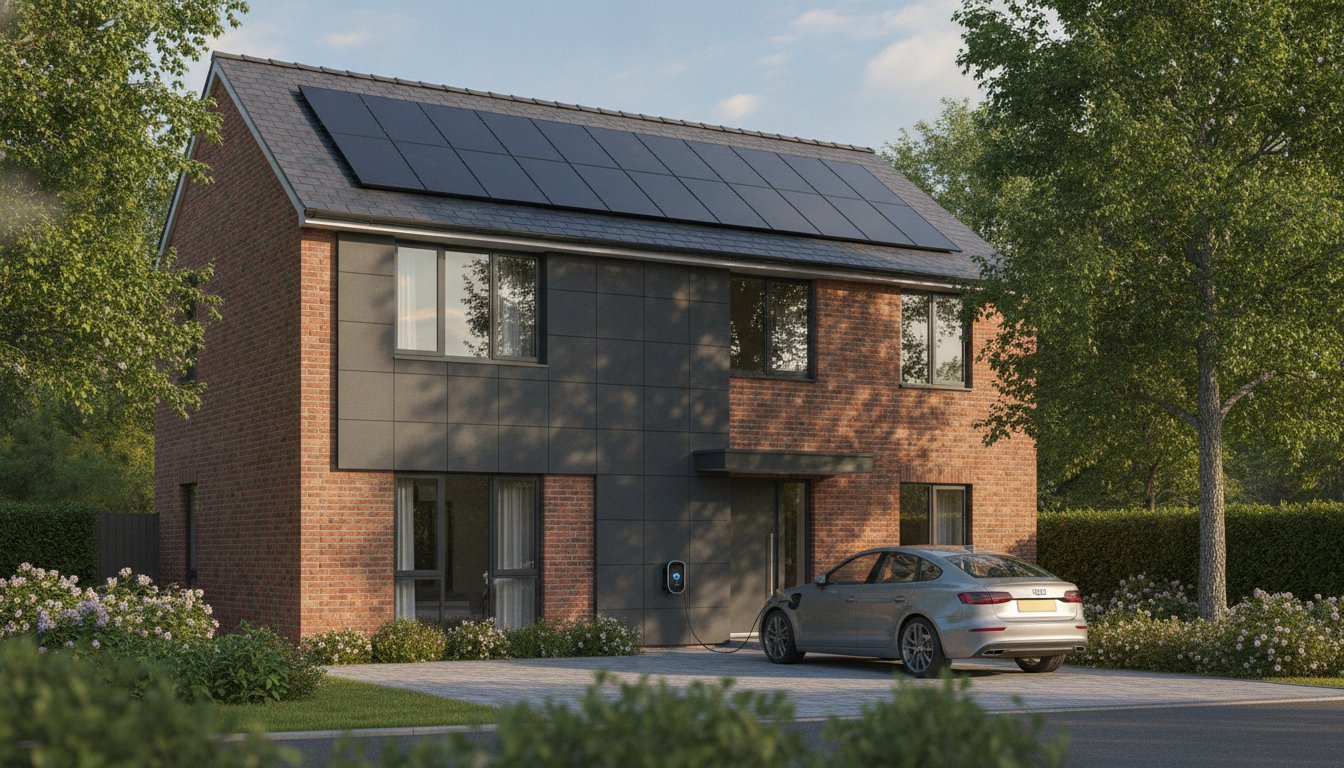
Property developers and business park managers are increasingly shifting toward smart energy hubs. These centralised systems incorporate large-scale battery storage and high-speed EV charging points to serve multiple tenants. By future-proofing residential estates and commercial zones with integrated power networks, developers can significantly increase the long-term value of their assets. This coordinated approach prevents the need for disruptive retrofits in the future, ensuring the site remains compliant with evolving environmental standards from the outset.
Energy for Schools and Public Buildings
In Hertfordshire and the surrounding counties, educational facilities benefit from holiday-period turnkey installations. This timing ensures that heavy civil works and electrical commissioning occur whilst students are off-site. Safety is paramount. Managing site access and ensuring all personnel meet strict compliance standards is a core part of our delivery. Beyond the immediate reduction in operational budgets, these projects offer educational value. We integrate real-time energy monitoring as a learning tool, allowing students to engage directly with the school's carbon reduction efforts.
Workplace EV Infrastructure Commissioning
The demand for commercial EV charging infrastructure has become a critical factor for employee retention in 2026. Business parks across London and the South East are increasingly adopting smart charging solutions. These systems balance the load across the site to avoid the expensive substation upgrades that grid constraints often demand. Integrating these charging points with solar carports allows for zero-carbon commuting, where the sun directly powers the employee's journey. This synergy between generation and transport is the hallmark of a modern, efficient workplace.
If you are planning an infrastructure upgrade for a specific sector, you can consult our specialist team to discuss a bespoke design that fits your operational needs.
The Partnership-First Approach: Choosing Empire
Selecting a partner for turnkey renewable energy projects for business is a decision rooted in trust and technical competency. At Empire, we position ourselves as a Trusted Specialist. This means we value workmanship over empty promises. We prioritise the long-term performance of your infrastructure. Our approach is methodical. It is disciplined. It is highly organised. We understand that a transition to renewable power is a significant investment; therefore, our role is to provide the security and reliability you expect from a professional partner. We avoid high-pressure sales tactics. Instead, we lead with technical authority. Quality. Compliance. Performance. These are the foundations of our service.
Integration is seamless. We work alongside your existing facilities managers to ensure our projects align with your site’s operational protocols. This collaboration minimises friction. It ensures that the handover of O&M documentation is thorough and actionable. Our commitment to future-readiness includes ongoing performance monitoring. We don't just walk away once the commissioning is complete. We remain a point of contact for the life of the system. This steady, purposeful rhythm ensures your project moves from initial interest to a clear point of contact without any jarring transitions. We believe in being a reassuring partner through every phase of the build.
Local Knowledge, National Standards
Local presence is vital. Navigating G99 grid applications and planning permissions in the South East requires specific regional knowledge. We understand the requirements of local authorities across Hertfordshire, Bedfordshire, and Buckinghamshire. This expertise allows us to anticipate hurdles before they cause delays. As established renewable energy contractors in the South East, we provide a rapid response support system that national providers often lack. We are on the ground. We are available. We understand the specific constraints of business parks in London and the Home Counties. Our work is grounded in real-world application.
Starting Your Turnkey Project
The path to energy security begins with a professional site survey. To prepare for your initial consultation, we recommend having your last twelve months of energy bills and any existing roof plans available. This data allows our technical team to provide a more accurate feasibility assessment. We look at your current electrical capacity and your future expansion plans. It is a collaborative start to a long-term project. We provide bespoke quotations that reflect your actual needs rather than generic estimates. Partner with Empire for your 2026 energy transition and secure the future of your commercial infrastructure today. Our team is ready to assist with your technical requirements.
Securing Your Energy Future in 2026
Transitioning to a sustainable infrastructure is a strategic necessity that requires a methodical approach. We've explored how integrated systems and single-contract delivery eliminate the friction of managing multiple vendors. By synchronising solar PV, battery storage, and EV infrastructure, your organisation secures price stability whilst meeting strict Part L Building Regulations. Implementing turnkey renewable energy projects for business ensures that every technical hurdle, from G99 compliance to civil works, is managed by a single, accountable specialist.
Our team provides professional support across the South East. We're backed by MCS and RECC certifications and offer a unique expertise in integrated telecoms infrastructure. You can begin your transition with confidence. We provide free site surveys and bespoke quotations to ensure your project is built on accurate data. Request Your Bespoke Turnkey Energy Survey to define your requirements. The road to energy independence is clear. With the right partner, your 2026 energy strategy will deliver high-performance results and long-term value for decades to come.
Frequently Asked Questions
What is included in a turnkey renewable energy project?
Turnkey renewable energy projects for business cover the entire lifecycle of an installation under a single contract. This includes initial bespoke feasibility studies, technical design, sourcing Tier 1 components, and professional commissioning. For commercial clients, it also encompasses managing grid applications and ensuring full compliance with Part L Building Regulations. By consolidating these phases, businesses avoid the complexity of managing multiple contractors. It ensures a seamless transition to sustainable power with clear accountability from start to finish.
How long does a commercial solar turnkey installation take?
Timelines for turnkey renewable energy projects for business vary based on project scale and grid complexity. A typical commercial installation might take between three to six months from the initial site survey to final handover. The most significant variable is often the G99 grid application process. It's a process that requires coordination with the local Distribution Network Operator (DNO). Our methodical approach ensures that all technical documentation is submitted early to mitigate potential delays and keep the project on schedule.
Do turnkey solutions include grid connection applications like G99?
Yes, managing grid connection applications is a fundamental component of a turnkey service. We handle the entire G99 or G100 process on behalf of the client. We provide the technical data and engineering drawings required by the DNO. This is a critical step for commercial systems exceeding 3.68kW per phase. By managing this complex regulatory hurdle internally, we ensure your system is legally compliant and correctly integrated with the local electrical infrastructure without administrative burden on your team.
Can turnkey projects be financed through PPAs or leases?
Commercial entities often explore various financial models such as Power Purchase Agreements (PPAs) or asset leasing to fund their energy transitions. Whilst our focus remains on the technical design and installation of infrastructure, you should consult with your financial advisors to determine which model best suits your capital expenditure strategy. A turnkey provider ensures the technical specifications meet the requirements of your chosen funding route. We provide the necessary documentation for lenders or investors.
How do turnkey providers manage health and safety on site?
Health and safety management is integrated into our disciplined build rhythm. We act as the principal contractor, producing comprehensive Risk Assessments and Method Statements (RAMS) for every phase of the installation. Our teams are trained to manage site access and safety protocols, particularly in sensitive environments like schools or active logistics hubs. Maintaining a clean, organised site is a priority. We ensure that all works comply with CDM 2015 regulations and provide a safe environment for your staff.
Are battery storage systems always part of a turnkey energy project?
Battery storage systems are not mandatory but are frequently included to maximise the ROI of solar PV installations. A bespoke turnkey design assesses your load profile to determine if storage is beneficial for your specific operation. For many businesses in the South East, adding battery capacity allows for peak shaving and provides a buffer against volatile energy prices. We evaluate your energy usage patterns during the initial site survey to recommend the most efficient configuration for your premises.
What maintenance is required for a commercial turnkey solar system?
Commercial systems require minimal but consistent maintenance to ensure long-term performance. This typically includes annual electrical inspections to MCS standards, periodic panel cleaning to maintain efficiency, and inverter health checks. Our turnkey handover includes comprehensive O&M documentation that outlines a clear maintenance schedule. We also provide real-time system monitoring. This allows our technical team to identify and resolve performance anomalies quickly, ensuring your investment continues to deliver the expected energy savings for decades.
Why should businesses in Hertfordshire choose a local turnkey contractor?
Choosing a local contractor in Hertfordshire or Bedfordshire provides significant advantages regarding grid applications and rapid response times. We possess established relationships with regional DNOs and an intimate understanding of local planning requirements. This local knowledge is invaluable for navigating the specific infrastructure constraints found in Home Counties business parks. Our proximity ensures that post-installation support and maintenance are delivered promptly. It provides a level of reliability and partnership that distant national providers often struggle to match.
Comments