
Are Solar Panels Worth It in the UK? 2026 ROI & Myth-Busting Guide

If you still believe solar power is simply about sticking glass on a roof to save a few pennies, you're missing the bigger picture. The fundamental question of are solar panels worth it uk residents ask has evolved. In 2026, it's no longer just about generating power; it's about strategic energy management in a volatile market.
We understand the hesitation. You're likely watching your monthly outgoings climb while trying to decipher whether a significant investment will truly pay off. It's a landscape often filled with conflicting ROI claims and uncertainty regarding battery storage. You want a secure, future-proof system, not a collection of parts that fail to deliver on their promises.
This guide cuts through the jargon to reveal the genuine financial and environmental value of solar PV today. We'll provide a clear roadmap for 2026, examining the latest high-performance technology and the facts you need to choose a local specialist with confidence. You'll discover how to turn your home into a self-sustaining energy hub that stands the test of time.
Table of Contents
Evaluating Solar Viability in the UK for 2026
Solar PV remains the most accessible renewable energy source for residential and commercial properties across the country. As homeowners look for ways to insulate themselves from market volatility, the question of are solar panels worth it uk residents frequently ask has moved from an environmental curiosity to a core financial strategy. Solar ROI is the precise balance of immediate electricity bill savings, consistent export income, and the tangible increase in a property's market value.
The 2026 energy landscape looks vastly different from the start of the decade. Whilst energy price caps continue to fluctuate, the gap between the cost of grid electricity and the cost of solar generation has widened significantly. This makes the "worth it" calculation more favourable than ever before. Regional data shows that the South East of England offers some of the highest solar yields in the country. This is particularly relevant for those seeking professional solar panel installation in Hertfordshire or the surrounding Home Counties, where irradiance levels are consistently strong. The history and growth of solar power in the United Kingdom demonstrate a clear trajectory toward domestic generation as a standard requirement for modern, energy-efficient homes.
The Shift from 'Feed-in' to 'Smart Export'
The old Feed-in Tariff (FiT) is now a relic of the past, replaced by the more dynamic Smart Export Guarantee (SEG). In 2026, energy suppliers are actively competing for your excess solar power, offering varied tariffs that reward homeowners for supporting the grid during peak times. However, the most profitable strategy for any system is self-consumption. Using the power you generate at the point of creation is always more cost-effective than buying it back from the grid later. This shift has made intelligent system design, focusing on your specific usage patterns, the foundation of a successful investment.
Technological Gains: N-Type Cells and Beyond
Modern installations now rely on N-type cell technology as the industry standard. These cells are far superior to the P-type models common just a few years ago. They offer significantly better performance in low-light conditions, which is essential for maintaining high yields during overcast British afternoons. We also see the increased use of bifacial panels to capture reflected light, further boosting efficiency. These gains are supported by modern inverters that maximise total output whilst maintaining the safety and compliance of your home's electrical infrastructure. Choosing between on-roof vs in-roof solar panels now involves considering both these high-efficiency technical specifications and the long-term structural integrity of your roof. Bespoke. Compliant. Future-ready. This is the new standard for determining if are solar panels worth it uk for your specific property.
5 Common Solar Myths Debunked: Fact vs Fiction
Misinformation often clouds the decision-making process for UK homeowners. When considering are solar panels worth it uk residents frequently encounter outdated "facts" that no longer apply to modern technology. Deciding to invest requires a clear understanding of the technical reality versus common misconceptions. We address the most persistent myths to provide a grounded perspective on what to expect from a 2026 installation.
Myth 1: "The UK isn't sunny enough." Reality: Solar PV relies on irradiance (light), not thermal heat.
Myth 2: "Solar panels damage your roof." Reality: Choosing between on-roof vs in-roof solar panels allows for a bespoke fit that can actually shield your tiles from the elements.
Myth 3: "They are maintenance-heavy." Reality: Systems are solid-state with no moving parts, requiring very little intervention.
Myth 4: "Batteries are an unnecessary expense." Reality: In the 2026 market, storage is the primary driver of rapid ROI.
The 'Cloudy Day' Performance Reality
A common misconception is that panels stop working the moment a cloud appears. Modern N-type cells are designed to capture diffuse light, meaning they generate power even during typical British overcast weather. Understanding these technical nuances helps answer the question are solar panels worth it uk wide, regardless of the local weather patterns. Recent reports on how much money solar panels could save UK homeowners highlight that even with our variable climate, the financial returns remain robust. Interestingly, excessive heat can actually reduce panel efficiency. High temperatures increase electrical resistance within the cells. A bright but cool spring day in Hertfordshire often produces better yields than a sweltering summer afternoon. This performance profile is why Germany, a country with similar light levels to the UK, has successfully integrated solar as a cornerstone of its national energy grid.
Maintenance and Longevity Truths
Modern systems are built for endurance. Most Tier 1 manufacturers now offer 25-year performance guarantees as standard, reflecting the longevity of the hardware. Whilst some believe panels need regular scrubbing, the UK's frequent rainfall actually performs most of the necessary cleaning. We recommend a professional health check every few years to ensure the cabling and inverters are operating at peak performance. It is also wise to plan for an inverter replacement around the 12 to 15-year mark. This is a standard part of a system's lifecycle rather than a failure of the technology. For those seeking a reliable, long-term energy solution, a bespoke solar design ensures every component is matched to your property's specific needs and structural capacity.
Calculating Your Return on Investment: Beyond Upfront Costs
Determining the true financial yield of a PV system requires looking past the initial invoice. Whilst the "sticker price" is the first hurdle, the long term savings are dictated by how effectively you use the energy you generate. When asking are solar panels worth it uk homeowners must consider the total lifecycle value, which includes bill displacement, export revenue, and capital growth of the asset. The scale of the project also dictates the financial structure. There is a significant difference between residential setups and the commercial solar panel installation cost, which often involves different tax treatments and larger economies of scale.
The "Battery Multiplier" is the most critical factor in 2026 ROI. Without storage, a typical household might only use 30% of their generated power, with the rest spilling back to the grid for a lower export rate. Integrating a high performance battery system can push self-consumption over 70%. This shift dramatically accelerates the payback period because you are displacing expensive peak-rate grid electricity. Additionally, the 0% VAT rate on energy-saving materials remains a vital incentive in 2026, lowering the barrier for those looking to future-proof their homes. Beyond monthly savings, a solar-equipped home with an "A" rated EPC often commands a premium on the property market, as buyers prioritising low running costs become the norm.
The Financial Breakdown: Payback Periods
Payback periods have shortened as technology has improved. For a standard 4kWp system in Hertfordshire, the timeline for breaking even is significantly reduced when paired with smart usage. High-usage households, particularly those with electric vehicles, see the fastest returns. Using solar to charge an EV essentially replaces petrol or expensive grid charging with free, home-grown power. The impact of solar battery installation Hertfordshire residents choose is often the difference between a 10-year and a 7-year payback window. It turns a daylight-only benefit into a 24-hour financial advantage.
Incentives and Grants in 2026
Financial support still exists for those who meet specific criteria. It is worth checking the latest solar panel grants Bedfordshire and surrounding counties offer to see if you qualify for local funding or interest-free loans. Many local councils are also promoting "Solar Together" group-buying schemes to help residents reduce installation costs through collective bargaining. These initiatives, combined with the Smart Export Guarantee, ensure that are solar panels worth it uk is answered with a clear "yes" for most well-planned installations. We recommend a bespoke site survey to provide a precise, data-driven projection of your specific ROI.
Suitability Checklist: Is Your Property Ready?
Before proceeding with an installation, you must assess the physical and legal constraints of your property. Whilst technical advancements make solar more versatile, the specific characteristics of your home dictate the final efficiency of the system. Determining if are solar panels worth it uk wide often comes down to four critical pillars of suitability: orientation, structure, shading, and electrical readiness.
Roof orientation is the first consideration. South-facing roofs are the traditional gold standard for total annual yield, but East-West splits are increasingly popular for 2026 lifestyles. An East-West configuration provides a more consistent "bell curve" of energy throughout the day. This is often superior for families who use the majority of their power during the morning and evening peaks. Beyond orientation, the structural integrity of your roof is paramount. A standard PV array adds significant static load to your rafters. We ensure your roof can support this weight for its 25 year lifespan without compromising the building's envelope. Shading analysis is equally vital. Even a small shadow from a chimney or a neighbouring tree can significantly drop system output if not managed with modern optimisers. Finally, your existing electrical infrastructure, specifically your consumer unit, must be compliant and ready for a seamless solar tie-in.
Planning Permission and Conservation Areas
Most residential solar installations fall under Permitted Development rights, meaning they don't require formal planning permission. However, specific rules apply in conservation areas and for listed buildings, which are common across Hertfordshire and Bedfordshire. In these instances, we often recommend in-roof systems to meet aesthetic requirements. For larger arrays, we also handle the mandatory G98 or G99 grid notifications to ensure your system is fully compliant with the local network operator's standards.
The Importance of a Professional Site Survey
Online calculators are useful for a rough estimate, but they cannot replace a physical inspection. During a survey in Buckinghamshire or the surrounding Home Counties, our engineers look for micro-shading issues and assess the most efficient cable routes. We also evaluate your potential for future-proofing, such as ensuring your system can easily integrate an EV charger or additional battery capacity later. This methodical approach ensures your investment is built on facts rather than assumptions. To get an accurate assessment of your home's potential, book a professional site survey with our specialist team.
Future-Proofing Your Energy with Empire Electrical Innovations
Choosing a partner for your energy transition requires more than just finding an installer. It requires finding a specialist committed to longevity, precision, and technical excellence. At Empire Electrical Innovations, we operate with a sense of quiet authority, prioritising compliance and professional standards above all else. This methodical approach ensures that your system isn't just functional today but remains future-ready for decades. This focus on workmanship ensures that the question of are solar panels worth it uk is answered through tangible, long-term performance. For those seeking deeper technical specifications, our guide to professional solar panel installation in Hertfordshire provides a comprehensive look at the hardware standards we uphold.
Bespoke design is the foundation of high-performance energy systems. Whilst "one-size-fits-all" kits might seem appealing, they often lack the nuance required to handle specific roof orientations or complex electrical loads. A custom-engineered solution is the only way to ensure the answer to are solar panels worth it uk remains a definitive yes for your specific property. We match every component, from high-performance battery systems to the latest N-type panels, to your unique energy profile. Our support doesn't end at commissioning. We provide a guarantee that lasts as long as your panels, offering rapid local support across the Home Counties to ensure your investment remains protected.
Integration with EV Charging and Smart Homes
Modern solar systems act as the central nervous system of a smart home. Directing your generated power into an electric vehicle is a game-changer for daily commuters, essentially providing carbon-neutral miles at zero cost. We specialise in the seamless integration of EV chargers and high-performance battery storage. These technologies allow you to organise your appliances to run on "free" sun during peak generation hours. This level of automation ensures your system is ready for the next decade of energy tech, keeping your home at the forefront of efficiency and self-sufficiency.
Your Next Steps to Energy Independence
Moving toward energy independence is a collaborative process. We recommend booking a free, no-obligation site survey to establish a clear financial roadmap for your property. During this visit, our engineers conduct a thorough assessment of your roof, electrical system, and usage patterns. You will receive a bespoke Empire quotation that details your expected ROI and technical configuration. This transparent, data-driven approach removes the guesswork from your investment. Start your journey with a professional solar survey and quote to secure your home's energy future today.
Securing Your Energy Independence
The transition to renewable energy is no longer a speculative choice but a strategic necessity for the modern home. By combining high-efficiency N-type panels with intelligent battery storage, you can achieve a level of self-sufficiency that was previously impossible. Determining if are solar panels worth it uk homeowners should invest involves looking at the long-term energy security a bespoke system provides. It's about protecting your household from market volatility whilst contributing to a sustainable future. A well-designed array doesn't just lower bills; it creates a resilient energy hub ready for the next generation of smart technology.
Success depends on precision and technical excellence. As MCS Certified Installers with Hertfordshire-based local expertise, we specialise in high-efficiency battery integration and compliant system design. We ensure every component is matched to your property's specific requirements, from structural load to electrical capacity. Maximise your ROI with a bespoke solar design from Empire Electrical Innovations. Take the first step toward a resilient energy future and gain the confidence that comes with a professionally commissioned system.
Frequently Asked Questions
Do I need planning permission for solar panels in the UK?
Most residential installations fall under Permitted Development rights, meaning formal planning permission is not required. You typically only need to seek approval if your property is a listed building or situated within a designated conservation area. In these cases, we often recommend in-roof systems that sit flush with the tiles to satisfy aesthetic requirements from local authorities.
How much do solar panels cost for a 3-bedroom house in 2026?
Determining if are solar panels worth it uk for your specific 3-bedroom home depends on your system's total capacity and hardware choices. A typical family home usually requires an array between 4kWp and 6kWp to cover standard consumption. The final investment is dictated by roof complexity, the need for scaffolding, and whether you include high-performance battery storage. We provide bespoke quotations following a physical site survey to ensure total accuracy.
Can I still save money if my roof is East or West facing?
Yes, East and West-facing roofs are highly effective for modern energy usage patterns. Whilst a South-facing roof generates the most total power over a year, an East-West split provides generation during the morning and evening. This often aligns better with when families are actually at home using appliances, reducing the amount of expensive grid electricity you need to purchase during peak hours.
Is it worth getting a battery with solar panels in 2026?
Battery storage is a critical component for maximising financial returns in the current energy market. Without a battery, you may end up exporting a large portion of your generation to the grid for a lower tariff. A storage system allows you to retain that power for use after sunset, significantly increasing your self-consumption rates and protecting your household from high evening energy costs.
What happens to my solar panels when it snows or is very cloudy?
Modern panels continue to generate electricity on cloudy days by capturing diffuse light. High-efficiency N-type cells are specifically designed to maintain performance in the overcast conditions common across the UK. Whilst heavy snow can temporarily block light, the natural tilt of the panels and the slight heat they generate during operation usually cause snow to slide off quickly, restoring full functionality.
How long does the average solar panel installation take to complete?
The majority of domestic installations are completed within one to two working days. This timeframe includes the erection of safe scaffolding, the physical mounting of the panels, and the internal electrical commissioning of the inverter and battery system. We handle all technical setup and testing to ensure the system is fully compliant and safe before we leave the site.
Will solar panels increase the value of my property in Hertfordshire?
Improving your home's Energy Performance Certificate (EPC) rating generally makes a property more attractive to prospective buyers. When considering if are solar panels worth it uk, the long-term impact on resale value is a significant factor. In the Hertfordshire market, energy-efficient homes with established renewable infrastructure often command a premium as buyers increasingly prioritise properties with low running costs and future-proofed technology.
What is the Smart Export Guarantee (SEG) and how do I apply?
The SEG is a government-backed initiative that requires energy suppliers to pay you for any excess electricity you export back to the grid. To be eligible, your system must be installed by an MCS-certified professional and you must have a smart meter fitted. Once commissioned, you can apply directly to any participating energy supplier to start receiving payments for your surplus generation.
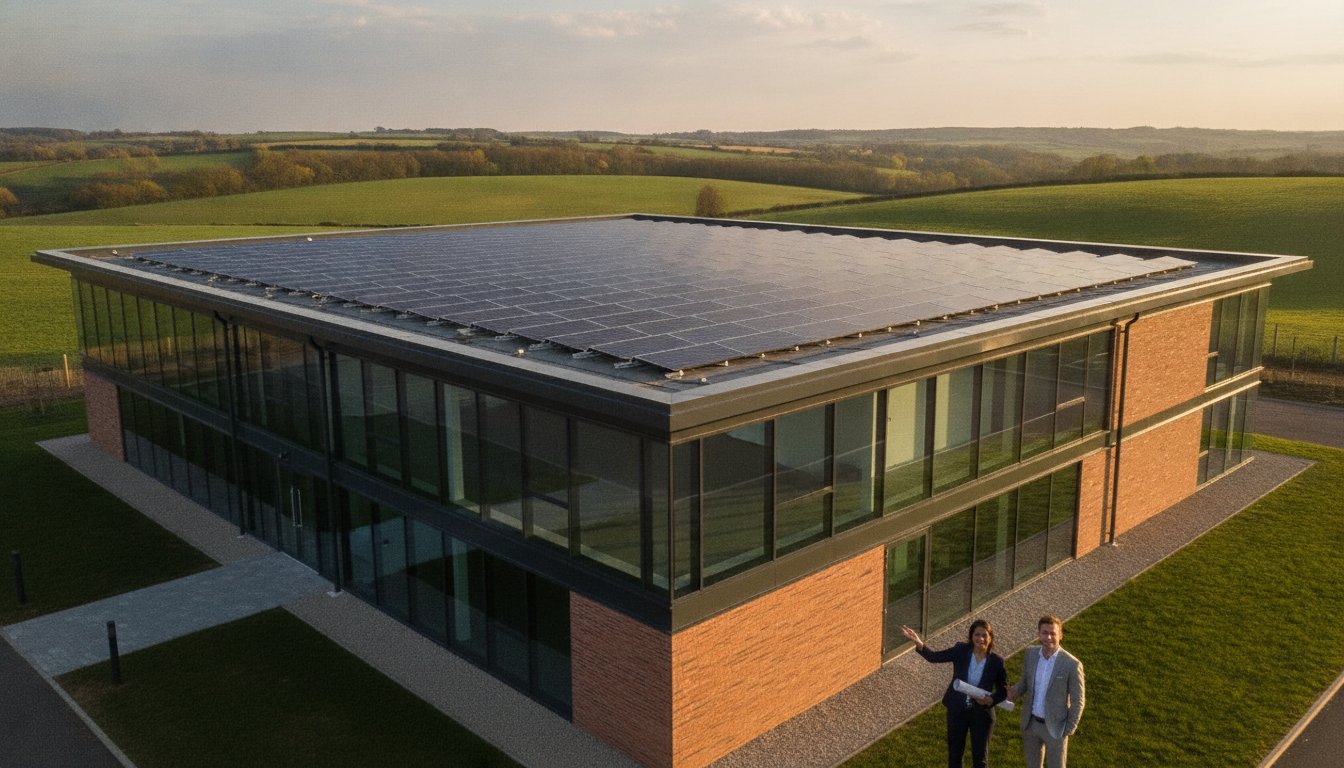
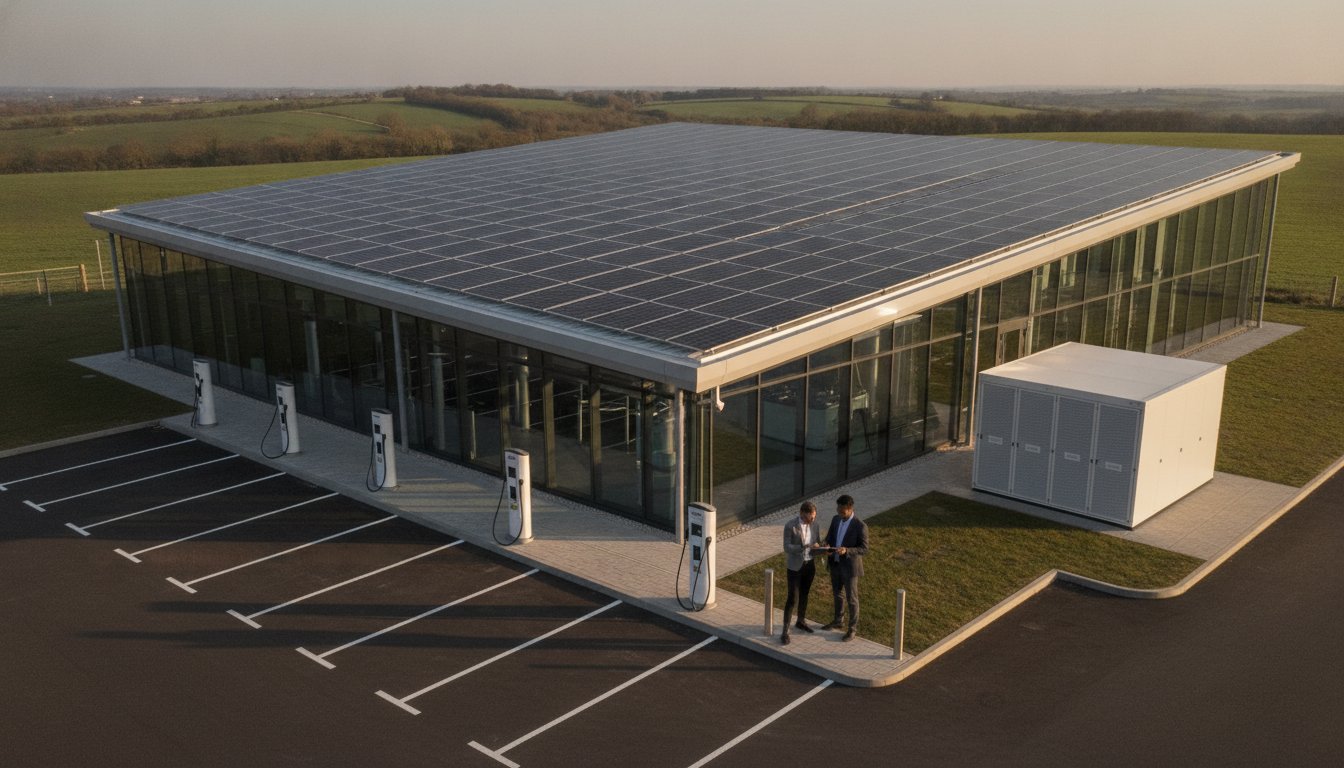
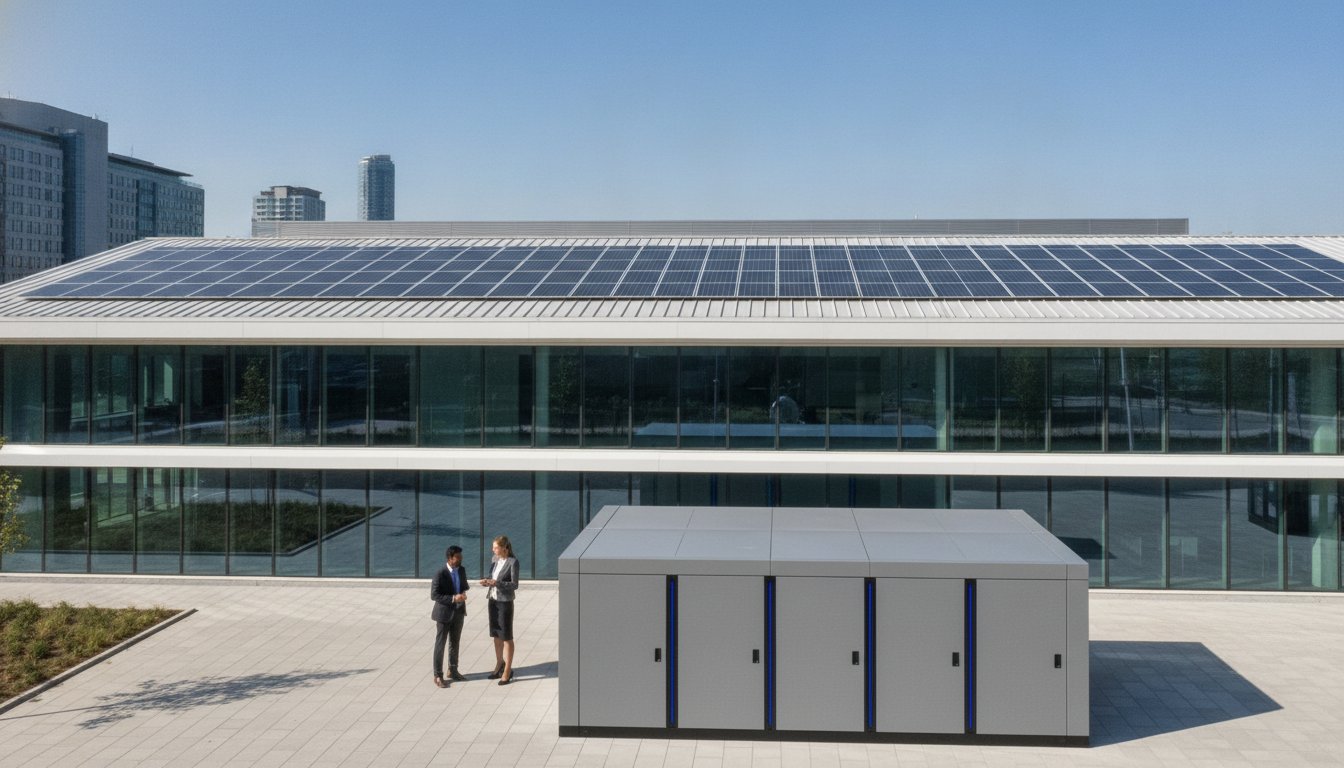
Considering the evolving energy landscape in 2026, it's more about smart energy management than just slapping panels on your roof. Your solar ROI isn't just upfront savings but also ties into strategic choices like battery storage. For accurate insights on energy billing, especially if you're calculating savings alongside your Mepco bill, checking out https://mepcobillpk.app/ could offer valuable data points.