
Solar Panel Funding for Schools in Buckinghamshire: The 2026 Comprehensive Resource

Did you know that secondary schools in England are now saving an average of £58,600 annually on energy bills through solar installations? It's a compelling figure. Yet, for many headteachers, the reality of rising energy costs often feels like a drain on essential educational budgets that cannot be easily plugged. You likely feel the pressure to meet sustainability targets; however, the complexity of government grant applications often creates a barrier to progress.
Capital is no longer the primary hurdle. This resource simplifies the landscape of solar panel funding for schools Buckinghamshire, showing you how to achieve energy independence with zero upfront costs. We'll explore the latest Salix PSDS Phase 4 requirements, the newly launched Great British Energy Solar Partnership, and the 2026 Power Purchase Agreement (PPA) pilot specifically available in the South East. We provide a clear list of available grants and a methodical path to finding a local installer who understands the unique requirements of the education sector. This is about future-proofing your school with precision and professional standards.
Table of Contents
Solar Energy for Schools in Buckinghamshire: The 2026 Landscape
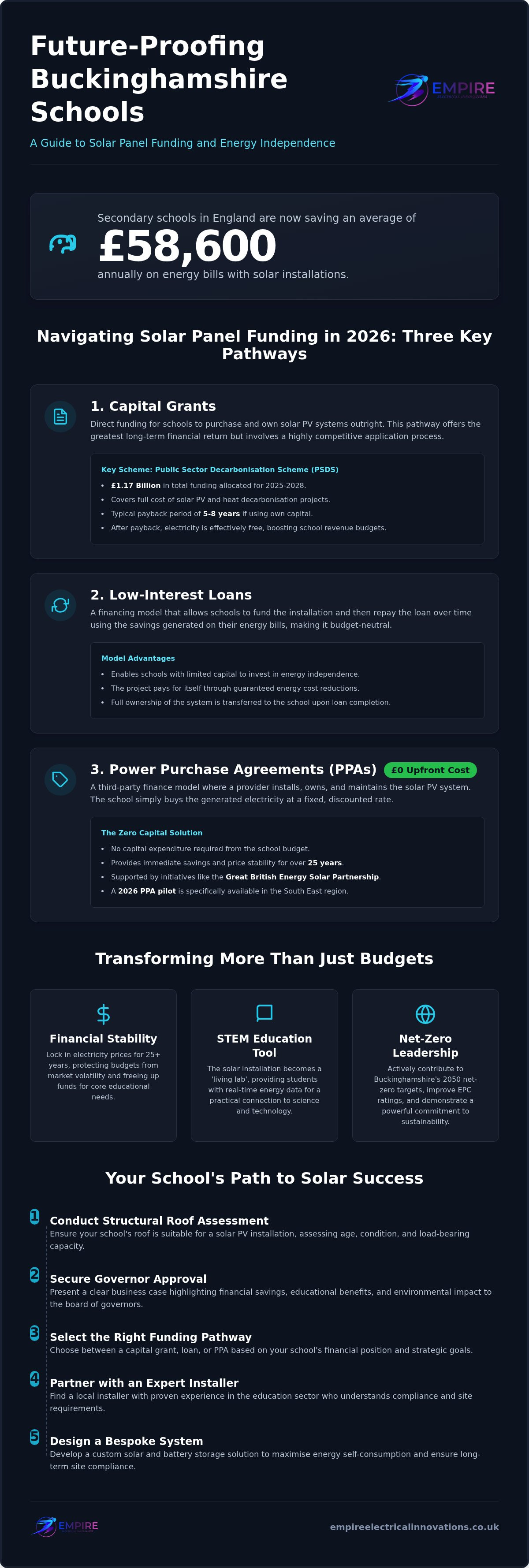
2026 has arrived with a clear message for the education sector: energy independence is no longer a luxury. Schools across Buckinghamshire are facing a period of intense price volatility that threatens to undermine long-term financial planning. Operational budgets are stretched thin; however, transitioning to renewable energy provides a logical solution to these mounting pressures. The UK solar power landscape has matured significantly, with solar PV now established as a primary pillar of the nation's energy mix. For local schools, this technology offers a proven way to modernise ageing infrastructure whilst drastically reducing carbon footprints. Understanding the available solar panel funding for schools Buckinghamshire is the first step toward securing this future.
Budget Challenges and Energy Security
Schools are particularly vulnerable to commercial energy rate fluctuations. Unlike residential users, educational institutions manage high-demand sites that require consistent power for lighting, heating, and IT suites. Solar panels offer a fixed-cost alternative. Once installed, they provide price certainty for over 25 years. This stability allows bursars to allocate funds back into teaching and learning rather than utility bills. Beyond the balance sheet, these installations serve as a 'living lab'. Students engage with real-time data from the site's energy production. It turns the school roof into a practical tool for STEM education, providing students with a tangible connection to science and technology.
Buckinghamshire's Net Zero Targets
Buckinghamshire Council has set ambitious targets through its Climate Change Strategy. The county aims to reach net-zero by 2050 at the latest, with many local initiatives pushing for earlier milestones. Schools are central to this mission. In 2026, Energy Performance Certificate (EPC) ratings are under closer scrutiny than ever before. A high-performing building is now a requirement for compliance and future-proofing. By adopting solar energy, schools don't just meet these standards; they lead their communities. They demonstrate a commitment to sustainability that resonates with parents and local residents alike. Accessing solar panel funding for schools Buckinghamshire ensures that these environmental goals remain financially viable for every institution, regardless of their current capital reserves.
Understanding Solar Panel Funding: Grants, Loans, and PPAs
Securing solar panel funding for schools Buckinghamshire requires a clear understanding of the distinct financial pathways available in 2026. Funding generally falls into three categories: capital grants, low-interest loans, and third-party finance. Each model serves a different strategic purpose. Capital grants provide upfront cash for total ownership. Low-interest loans allow schools to repay the investment using the energy savings generated. Third-party finance models, such as the Power Purchase Agreement, remove the need for any initial capital. Choosing the right route depends on your school's current reserves and long-term infrastructure goals.
A Solar PPA is a contract where a provider installs panels for free and sells the power back to the school at a discounted rate. This model has gained significant traction following the Department for Education's decision to lift the pause on these agreements in early 2026. It's a central part of the government's wider strategy, including the Great British Energy for schools initiative, which aims to cut utility bills across the public sector. For schools in Buckinghamshire, these options provide a way to bypass the constraints of overstretched capital budgets.
Capital Grants vs. Revenue Savings
Capital grants represent the most direct route to ownership. Administered by Salix Finance, the Public Sector Decarbonisation Scheme (PSDS) Phase 4 allocates significant capital for heat decarbonisation and energy efficiency projects. The total funding available through this scheme from 2025 to 2028 is £1.17 billion. Whilst these grants can cover the entire cost of a solar PV installation, they are highly competitive. Applications often close within days of opening. If a school uses its own capital reserves, the 'payback period' typically ranges from five to eight years. After this point, the electricity generated is essentially free, providing a substantial boost to revenue budgets for decades.
The Power Purchase Agreement (PPA) Model
The PPA model is often described as 'zero-capital' because the school pays nothing for the installation or the equipment. A third-party provider handles the design, installation, and ongoing maintenance. This removes the technical risk from the school's governors and site managers. In 2026, a new pilot model for PPAs is being launched for 150 schools across the South East, including Buckinghamshire. This private-sector-funded route is the fastest way to achieve energy independence without waiting for grant cycles. It's a partnership-first approach that ensures the system performs at peak efficiency. To determine which model fits your site, requesting a bespoke survey from a specialist like Empire Electrical Innovations is a logical first step. Key considerations for PPAs include the length of the contract and the fixed rate of the discounted electricity, both of which provide much-needed budget predictability.
Key Funding Streams for Buckinghamshire Schools in 2026
Identifying the right solar panel funding for schools Buckinghamshire involves matching your institutional status with specific government and local financial pots. It is a methodical process. In 2026, the funding landscape has branched into several distinct streams, ranging from multi-million pound national schemes to hyper-local community initiatives. Whether you manage a small primary school in the Chilterns or a large secondary academy in Milton Keynes, a structured approach to procurement is essential. Success often depends on having a technical design ready before the application windows open.
The Public Sector Decarbonisation Scheme (PSDS)
The Public Sector Decarbonisation Scheme remains the primary vehicle for large-scale energy transformation. Administered by Salix Finance, Phase 4 of the scheme provides capital grants specifically for schools that are replacing fossil fuel heating systems with low-carbon alternatives, such as heat pumps integrated with solar PV. Eligibility extends to state-maintained schools, academies, and multi-academy trusts across Buckinghamshire. The 2026 funding rounds are expected to follow the established pattern of being heavily oversubscribed. To secure a successful bid, schools must provide a professional solar survey and a detailed carbon reduction plan. These documents validate the project's technical feasibility and projected energy savings. Applications typically open in the autumn, and funds are often allocated on a first-come, first-served basis. Speed and precision in your submission are non-negotiable.
Beyond the PSDS, the Department for Education (DfE) provides Devolved Formula Capital (DFC) grants. Whilst these are smaller sums, they offer schools the flexibility to fund phased solar installations or essential roof repairs required before panels can be fitted. Combining these with the Salix Recycling Fund, which offers 0% interest loans, can bridge the gap for projects that don't qualify for full capital grants.
Local and Community Initiatives
Localised funding offers a compelling alternative for schools that may not meet the strict criteria of national grants. Buckinghamshire Community Energy operates as a trusted partner for many educational sites, facilitating 'Solar Streets' style projects. These models often use cooperative investment, where local residents fund the installation in exchange for a modest return, whilst the school benefits from immediate energy savings. This creates a strong bond between the school and its community. For village schools and smaller primaries, crowdfunded solar projects have also proven successful. These initiatives often leverage the 'Section 106' funding generated from local housing developments, which councils can allocate to community infrastructure and green projects.
For larger organisations, the strategy shifts toward portfolio-wide management. If you are overseeing energy procurement for several sites, you may find our guide on solar PV for commercial buildings useful for understanding how to scale renewable infrastructure across multiple school campuses. This approach ensures consistency in hardware and maintenance standards across the entire trust.
Planning Your School's Solar Project: A Step-by-Step Resource
Moving from the initial concept to a fully operational solar array requires a methodical and disciplined approach. It is a structured lifecycle. Each stage demands precision to ensure the system delivers the promised performance and safety standards whilst remaining compliant with educational regulations. Transitioning your site after securing solar panel funding for schools Buckinghamshire involves five critical steps:
Step 1: Initial Energy Audit. Conduct a professional assessment of your current consumption patterns and a structural roof survey to determine load-bearing capacity.
Step 2: Strategic Approval. Present the feasibility data to governors to finalise the preferred funding route, whether that is a capital grant or a zero-upfront PPA.
Step 3: Grid and Planning. Navigate the G99 grid connection application with the local Distribution Network Operator (DNO) and secure any necessary planning permissions.
Step 4: Specialist Procurement. Select a certified MCS installer with a proven track record in the South East to ensure high-standard workmanship.
Step 5: Commissioning. Complete the physical installation, system testing, and integration of live monitoring data into the school curriculum.
Initial Assessments and Feasibility
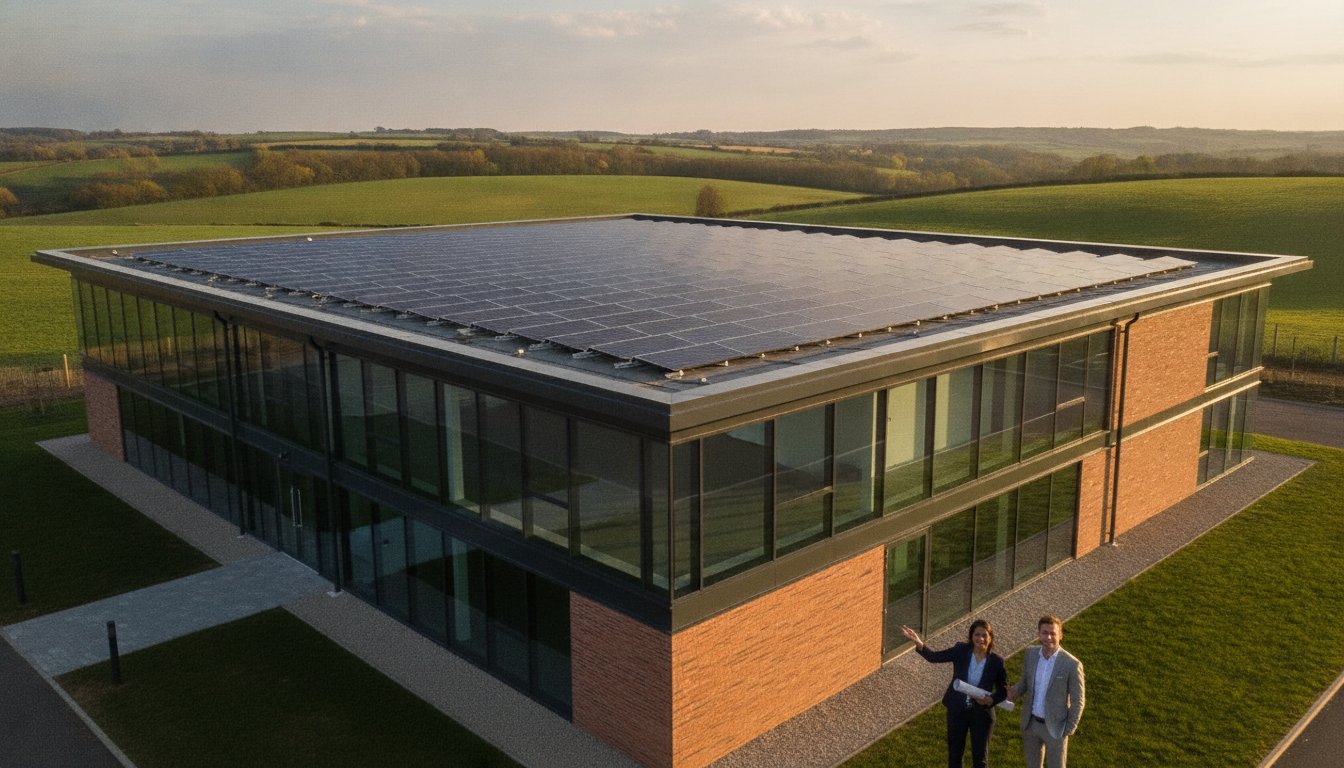
A professional site survey is the foundation of any successful funding application. It provides the technical data required to validate your business case. This assessment evaluates roof orientation, potential shading from surrounding trees or buildings, and the capacity of your existing electrical infrastructure. Precision at this stage prevents costly adjustments during the installation phase. Battery storage should be considered alongside solar to maximise evening and weekend energy use. This allows the school to capture surplus energy generated during the day for use when the sun is down or during periods of high demand. To begin this process, you can request a free site survey from our technical team.
Compliance and Standards
Maintaining high standards of safety and performance is non-negotiable in an educational environment. Your chosen partner must meet the latest 2026 compliance requirements, including MCS certification and relevant health and safety protocols. Managing an installation whilst the school is in session requires disciplined logistics. Work areas must be securely cordoned off, and high-noise activities should be scheduled around the school timetable to minimise disruption. For a deeper understanding of procurement best practices, refer to our guide on commercial renewable energy installation. This methodical approach ensures the work being done today is a secure investment for the years to come, providing a reliable energy source that supports both the budget and the environment.
Expert Solar Installation with Empire Electrical Innovations
Empire Electrical Innovations operates as a seasoned expert in the design and installation of educational renewable infrastructure. We understand that every site is unique. A primary school in Aylesbury has different load requirements than a large secondary academy in High Wycombe. Our bespoke solar PV designs are tailored to these specific energy profiles, ensuring maximum efficiency from day one. We bring a sense of quiet authority to every project, focusing on precision, longevity, and high-standard compliance. By handling the technical design and structural assessments, we provide the robust data needed to secure solar panel funding for schools Buckinghamshire.
Local presence is vital. Based in the region, our team ensures rapid support and on-site presence for schools across Buckinghamshire and Hertfordshire. We don't just install panels; we build long-term infrastructure. This local expertise is essential for ongoing maintenance and ensures that your system continues to perform at peak capacity for its 25-year lifespan. Our specialists understand the specific building archetypes found amongst Buckinghamshire schools, allowing for seamless integration with existing electrical systems.
Our Partnership-First Approach
We work closely with school business managers to simplify the transition to renewable energy. We recognise that your primary focus is education. Our role is to manage the technical complexities. From the initial feasibility study to the final commissioning, we provide a clear, methodical path forward. Our support extends beyond the physical installation. We provide advanced monitoring systems that allow you to track energy generation in real-time. This ensures performance guarantees are met and provides valuable data for classroom learning. If you're ready to explore your options, we offer a free, no-obligation solar survey to assess your site's potential and support your funding application.
Future-Proofing Your School
A modern school energy strategy should look beyond today's utility bills. We specialise in creating integrated systems that grow with your institution. This includes:
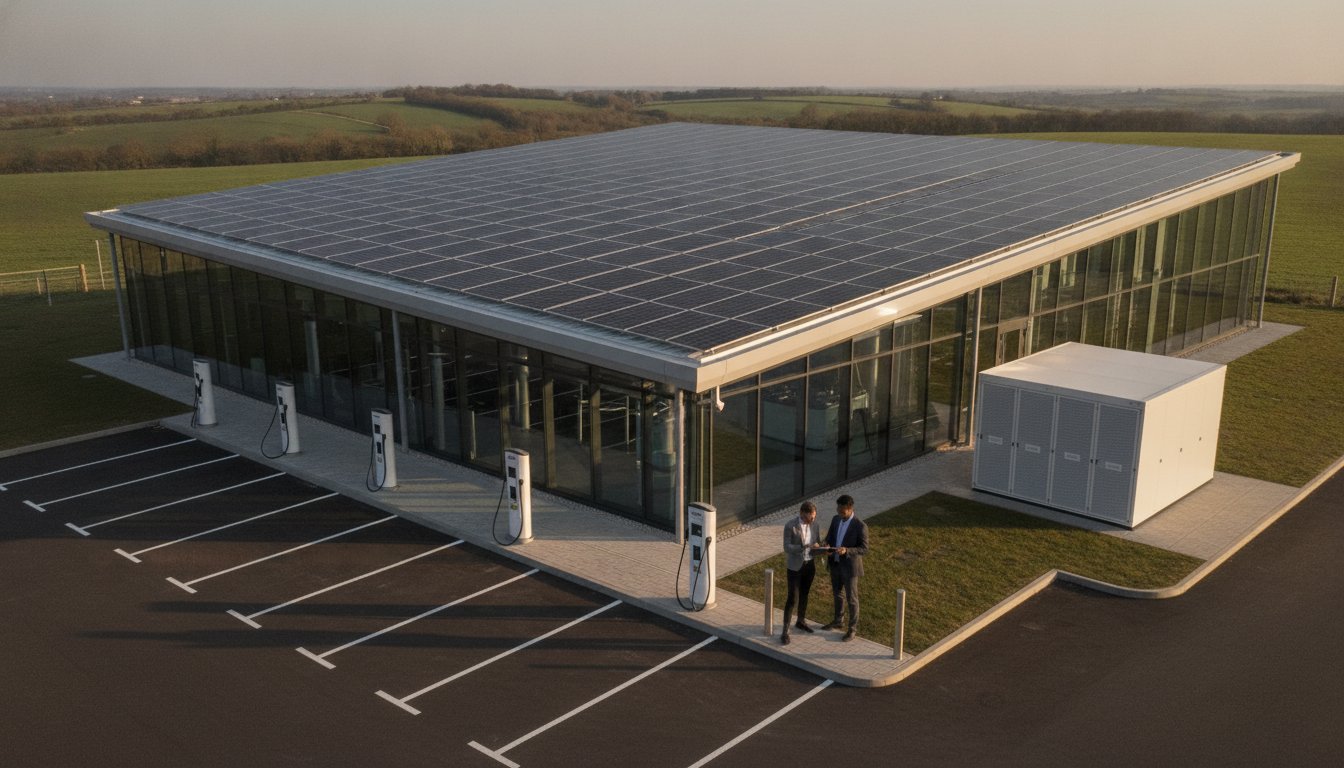
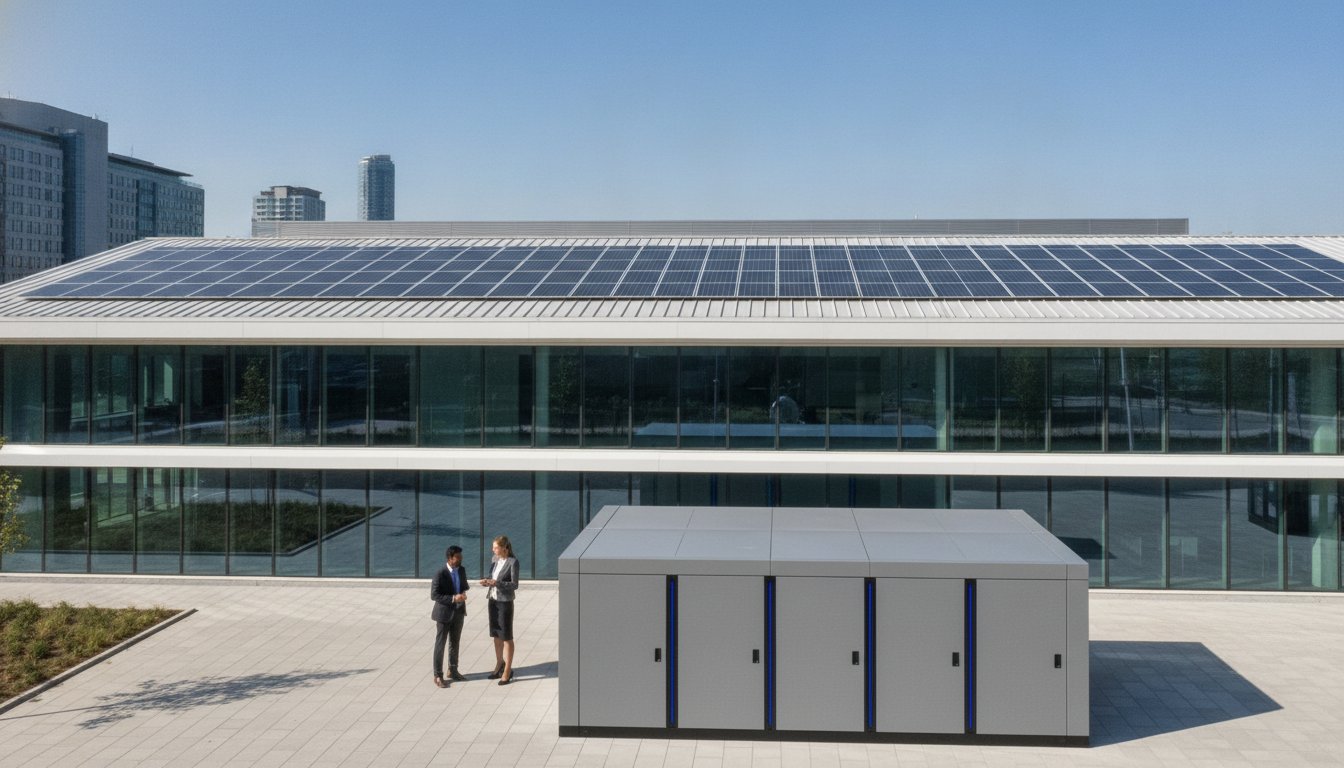
Battery Storage Systems: Maximise self-consumption by storing surplus energy for use during evening events or peak morning periods.
EV Charger Installation: Provide essential infrastructure for staff and visitors, supporting the wider transition to electric transport.
Scalable Infrastructure: Our designs allow for future expansion as your school's energy needs and sustainability targets evolve.
Investing in these technologies today ensures your school remains at the forefront of modern energy standards. We are here to guide you through every technical hurdle and financial model. Contact our Buckinghamshire specialists for a tailored school energy proposal to begin your journey toward energy independence.
Securing Your School's Energy Future
Transitioning to renewable energy is a strategic necessity for any educational institution. You've seen how 2026 energy market volatility can be mitigated through fixed-cost solar generation. Whether you pursue capital grants like the PSDS Phase 4 or opt for a zero-upfront Power Purchase Agreement, the financial barriers to entry have effectively vanished. Success depends on precise technical design and a clear understanding of the latest compliance standards.
Navigating solar panel funding for schools Buckinghamshire is a methodical process that benefits from early preparation. Our role is to provide the technical expertise required to validate your business case and ensure long-term site performance. As MCS Certified Installers and specialists in educational infrastructure, our local Buckinghamshire support team provides the reliable partnership needed for a seamless transition. The work we do today isn't just about cutting costs; it's an investment in a sustainable environment for your students.
Take the first step toward energy independence today. Book a Free Solar Survey for Your Buckinghamshire School and discover the most viable funding route for your site. We look forward to helping you achieve your net-zero goals with confidence and precision.
Frequently Asked Questions
Can Buckinghamshire schools get solar panels for free in 2026?
Schools can access solar panels with zero upfront cost through Power Purchase Agreements (PPAs) or 100% capital grants. Under a PPA, a provider installs and maintains the system for free whilst the school pays a discounted rate for the electricity used. Alternatively, schemes like the Public Sector Decarbonisation Scheme (PSDS) provide grants that cover the full installation cost. Both routes offer a path to clean energy without using existing capital reserves.
What is the Public Sector Decarbonisation Scheme (PSDS) and is my school eligible?
The PSDS is a government initiative administered by Salix Finance to fund low-carbon heating and energy efficiency projects. Most state-maintained schools, academies, and multi-academy trusts in Buckinghamshire are eligible for Phase 4 funding. To succeed, your application must typically include a plan to replace fossil fuel heating with low-carbon alternatives. This scheme is a vital source of solar panel funding for schools Buckinghamshire when bundled with heat pump installations.
Do schools need planning permission for solar panels in Buckinghamshire?
Most schools don't require full planning permission because solar installations often fall under Permitted Development rights. However, specific restrictions apply if your school building is listed or located within a conservation area or an Area of Outstanding Natural Beauty (AONB). You should always consult with Buckinghamshire Council's planning department to confirm your site status. A professional installer will typically handle these enquiries as part of the initial feasibility and design phase.
How long does it take to install a solar PV system on a school roof?
The physical installation of a solar PV system typically takes between one and two weeks. However, the entire project lifecycle, from the initial energy audit to grid connection, usually spans three to six months. This timeline accounts for structural surveys, governor approvals, and the G99 grid application process. We recommend scheduling the physical works during half-term or summer holidays to minimise disruption to the daily educational timetable.
What is a Solar Power Purchase Agreement (PPA) for schools?
A Solar Power Purchase Agreement (PPA) is a financial arrangement where a third-party developer installs, owns, and maintains the solar system on your roof. The school doesn't pay for the equipment. Instead, it agrees to purchase the generated electricity at a rate significantly lower than the standard grid price. This model provides immediate budget relief and price certainty for up to 25 years without technical or financial risk for the school governors.
How much can a typical primary school save with solar panels?
A typical primary school can save an average of £21,000 annually by installing solar panels and upgrading to LED lighting. Secondary schools often see even higher returns, with average annual savings reaching approximately £58,600. These figures, based on July 2026 government data, reflect the total reduction in utility bills over the system's lifetime. These savings allow schools to reinvest significant sums back into teaching staff, equipment, and student facilities.
Are there specific grants for academies versus local authority maintained schools?
Academies and multi-academy trusts usually access funding through the Condition Improvement Fund (CIF) or the PSDS. Local authority maintained schools generally utilise School Condition Allocations (SCA) or specific council-led initiatives. Whilst the application processes differ, both types of institutions have access to substantial solar panel funding for schools Buckinghamshire. It's essential to identify your specific funding window early as these rounds are often oversubscribed and close quickly.
What happens to the solar energy during school holidays and weekends?
During periods of low occupancy, such as summer holidays and weekends, surplus electricity is exported back to the National Grid. Schools earn revenue from this excess power through the Smart Export Guarantee (SEG). Current 2026 tariffs allow schools to earn between 3p and 15p per kWh exported. This ensures that your solar investment continues to generate financial value even when the classrooms are empty, turning the long summer break into a profitable period.
Comments