
Telecoms Ducting Contractors in Hertfordshire: The 2026 Infrastructure Guide

Is your underground infrastructure a strategic asset or a hidden liability waiting to stall your 2026 handover? Finding reliable telecoms ducting contractors Hertfordshire can trust is no longer just about digging trenches; it's about navigating the post-April 2026 Ofcom framework and the latest Building Safety Act dispensations. You likely understand that non-compliant ducting causes more than just physical blockages. It triggers permit failures, coordination headaches, and significant financial risk during the adoption phase.
We promise to clarify the essential standards, installation techniques, and NRSWA compliance requirements for telecommunications ducting in Hertfordshire construction projects. You'll learn how to achieve a seamless transition from civil works to fibre blowing whilst reducing project risk through specialist technical expertise. This guide previews the shift towards micro-ducting and shared utility trenches, ensuring your development is both compliant and future-proofed for the next decade of digital demand.
Table of Contents
Understanding Telecoms Ducting in Modern Infrastructure
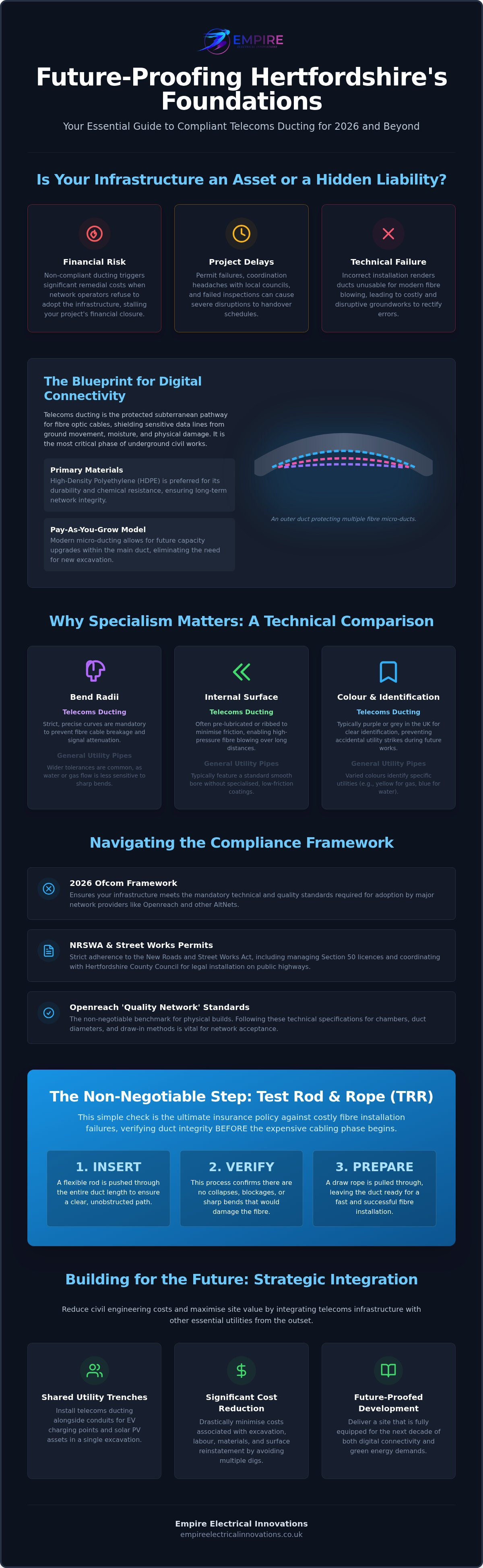
Telecoms ducting is the essential, protected pathway designed specifically for fibre optic and copper cables. It acts as a subterranean conduit that shields sensitive data lines from environmental stressors. For telecoms ducting contractors Hertfordshire construction firms partner with, the focus has shifted entirely towards 2026-standard FTTP (Fibre to the Premises) requirements. High-quality ducting is the most critical phase of underground civil engineering. Once buried, errors are incredibly costly to rectify.
Primary materials include High-Density Polyethylene (HDPE) and PVC-U. HDPE is often preferred for its exceptional durability and resistance to ground chemicals. These systems are designed to house modern telecoms ducting technologies, allowing for a "pay-as-you-grow" infrastructure model that supports multiple smaller conduits within a larger main duct. This approach ensures the site remains ready for future technological shifts without requiring new trenches.
The Role of Ducting in Network Reliability
A robust duct network ensures long-term network reliability. It protects sensitive fibre from ground movement and moisture ingress, which can degrade signal quality over time. Strategic ducting also facilitates easy upgrades. Technicians can pull or blow new cables through existing pipes without the need for disruptive excavation. During the installation phase, the internal integrity of the duct is vital. It must withstand the high pressures used during fibre blowing to prevent "crush" points that could damage the cable core. Empire Electrical Innovations prioritises this structural integrity to ensure every installation is adoption-ready.
Telecoms Ducting vs. General Utility Pipes
Telecoms infrastructure is not identical to standard water or gas piping. There are specific technical differences that telecoms ducting contractors Hertfordshire must adhere to:
Bend Radii: Fibre optic cables have strict minimum bend radii. Ducting must follow these curves precisely to prevent signal attenuation or cable breakage.
Friction Coefficients: The internal surface of telecoms ducting is often ribbed or pre-lubricated to reduce friction during cable installation.
Colour Coding: In the UK, telecoms ducts are typically purple or grey. This clear identification prevents utility strikes during future maintenance.
General groundworkers often lack the specialised equipment or knowledge to meet these tolerances. Precision is mandatory. A slight deviation in a joint or a sharp bend can render a duct run useless for fibre blowing. This leads to significant project delays and increased costs during the cabling phase. Using a specialist ensures these technical nuances are managed from the first spade in the ground.
Compliance and Standards for UK Telecoms Network Builds
Compliance is the foundation of any successful infrastructure project. For telecoms ducting contractors Hertfordshire depends on, adhering to Openreach 'Quality Network' standards is non-negotiable. These standards ensure that the physical build is adoption-ready for network providers from day one. Without this technical alignment, developers risk significant remedial costs when the network operator refuses to take ownership of the infrastructure. Meeting UK telecoms network build standards requires a methodical approach to every trench, joint, and bend.
NRSWA and Street Works Permits
Working on the public highway requires strict adherence to the New Roads and Street Works Act (NRSWA). Specialist contractors manage the complexities of Section 50 licences to install new apparatus legally. This process involves close coordination with Hertfordshire County Council to secure permits and manage traffic flow. Correct reinstatement of surfaces is critical; it must match local authority specifications precisely to avoid long-term liability. On-site accredited supervisors maintain compliance, ensuring that safety barriers and signage meet national requirements whilst work is in progress.
Technical Build Specifications (Openreach & AltNets)
Technical specifications extend well beyond the pipe itself. Strict 'draw-in' requirements for fibre optic cabling mandate specific duct diameters and smooth internal bore finishes to facilitate high-pressure blowing. Chamber construction is another vital component. Contractors must evaluate whether to use traditional brick-built chambers or pre-formed modular chambers based on the expected traffic load and site conditions. Every trench requires the systematic placement of warning tapes and protection tiles. These act as a vital visual alert, preventing accidental utility strikes during future maintenance or adjacent civil works.
Health and Safety Executive (HSE) guidelines dictate the standards for trench shoring and utility separation. These regulations protect workers and ensure the integrity of the surrounding infrastructure. Environmental responsibility is also a key pillar of modern builds. Managing soil displacement involves segregating waste and recycling materials amongst Hertfordshire sites whenever possible. This disciplined approach reduces the carbon footprint of the development and ensures a compliant, future-proofed underground network. Professionalism in these technical details separates specialist contractors from general groundworkers who may lack sector-specific training.
Specialist Installation Techniques: From Trenching to TRR
Trenching represents the physical foundation of any network. For telecoms ducting contractors Hertfordshire developers hire, open-cut trenching remains the most cost-effective solution for new-build sites. It allows for the rapid installation of high-volume ducting in environments where space isn't restricted by existing utilities. However, the complexity increases when managing "congested" underground environments. In Hertfordshire's older town centres and areas bordering London, the soil is often a maze of undocumented pipes and cables. Navigating these requires precision and a methodical approach to avoid costly utility strikes.
Test Rod and Rope (TRR) Procedures
TRR is the essential bridge between civil engineering and final cabling. It's a diagnostic process used to verify that the duct network is clear and ready for adoption. Technicians push a flexible rod through the entire run to identify silt blockages, collapsed sections, or sharp bends that could snag a cable. Once the run's integrity is confirmed, we install a high-strength draw rope. This simple step facilitates a seamless transition for follow-on teams. You can learn more about test rod and rope telecoms to understand how this preparation prevents project stalls during the adoption phase.
Fibre Blowing and Cabling Integration
Modern network builds have moved away from traditional cable pulling in favour of fibre blowing. This technique uses compressed air to propel the fibre optic cable through the duct, floating it on a cushion of air. This method significantly reduces the mechanical stress on the cable, ensuring higher signal integrity. However, the success of fibre blowing services depends entirely on the quality of the duct installation. The system must be airtight and free of internal debris. Even a minor leak at a joint can cause air pressure to drop, halting the installation mid-run.
Specialist telecoms ducting contractors Hertfordshire firms trust use precision equipment to monitor installation speed and air pressure. This integration ensures that cables reach their destination without being subjected to excessive tension. By aligning the civil works with the technical requirements of fibre blowing, we reduce the risk of cable damage and maximise the speed of the overall build. It's a disciplined, technical process that guarantees a future-proofed result for any commercial or residential development.
Strategic Considerations for Hertfordshire Construction Projects
Hertfordshire presents unique civil engineering challenges that demand a tailored approach. Managing clay-heavy soils, which are prevalent across large parts of the county, is a primary concern for telecoms ducting contractors Hertfordshire construction firms employ. Clay expands and contracts with moisture levels, potentially putting pressure on buried conduits. We ensure that trench depths and backfilling materials account for these geological factors to prevent long-term duct deformation. Proper compaction is essential to maintain the integrity of the network whilst protecting the surface from subsidence.
Integrated Infrastructure: Telecoms and EV Charging
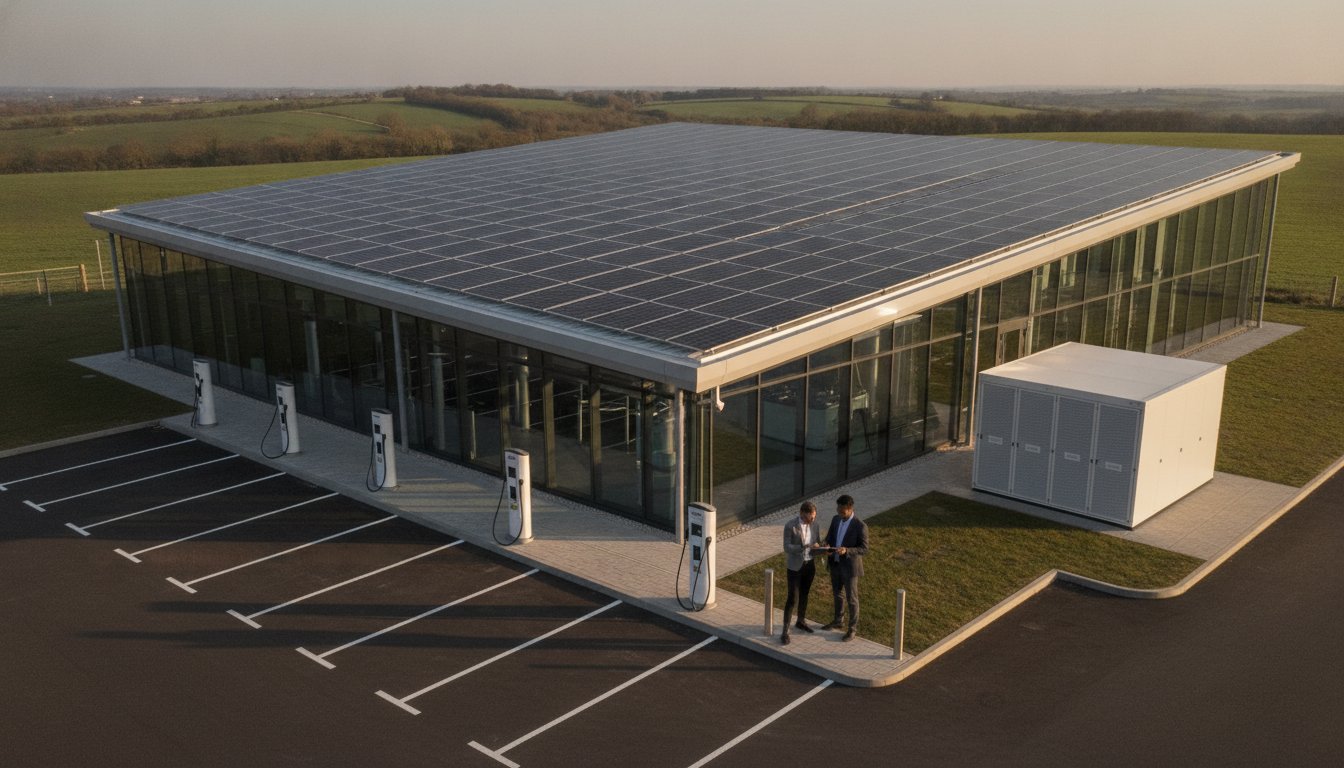
Modern developments are increasingly moving towards shared utility trenches. Smart EV chargers require robust, real-time data connections via telecoms ducting to manage load balancing and billing. There are significant efficiency gains by laying telecoms infrastructure for new housing developments alongside power cables. This integrated approach reduces the total volume of excavation required on-site. By organising multi-service installations with a single contractor, developers can significantly reduce site disruption and streamline their project timelines.
Hertfordshire Site Access and Planning
Navigating the narrow access routes of historic Hertfordshire towns requires meticulous planning. Whether working in the centre of St Albans or the residential streets of Hertford, maintaining safety and minimising local disturbance is paramount. We liaise closely with developers to ensure that all ducting is installed and tested before final landscaping begins. This prevents the need to lift expensive paving or disturb new turf during the cabling phase. Our experience preparing telecoms infrastructure for London construction projects has equipped our teams to handle even the most constrained site footprints with precision.
Future-proofing isn't just a buzzword; it's a regulatory requirement. Planning for 2030 and beyond means installing high-capacity ducting that can accommodate multiple fibre providers from the outset. Hertfordshire County Council’s permit requirements for 2026 have become more stringent, focusing on high-quality reinstatement and minimal road occupation times. Aligning your project with these standards today ensures your development remains attractive to residents and compliant with evolving digital standards. Contact us to discuss your Hertfordshire telecoms project and ensure your infrastructure is built to last.
Partnering with Empire Electrical Innovations for Infrastructure Success
Empire Electrical Innovations delivers a "no-nonsense" approach to complex civil engineering. As established telecoms ducting contractors Hertfordshire developers trust, we specialise in bridging the gap between raw groundworks and high-speed connectivity. Our capability-led structure ensures that every phase, from initial site survey to final fibre blowing, is managed with precision. By centralising your electrical and telecoms infrastructure with a single specialist, you eliminate the coordination issues that typically occur between separate civils and data contractors. This integrated method reduces project management overheads and ensures a seamless transition to the commissioning phase.
We understand that workmanship and clear communication are the foundations of a successful build. Our methodical, disciplined teams focus on future-proofing every installation. We ensure that your underground network isn't just a series of pipes; it's a strategic asset designed for long-term value. This "quiet authority" comes from years of experience navigating the specific geological and regulatory landscape of the South East.
Our Commitment to Quality and Compliance
Compliance is the core of our identity. We utilise industry-aligned terminology and standards to ensure that all infrastructure is ready for adoption by major network providers from the moment it's buried. Our project management is highly organised, ensuring that critical path deadlines are met whilst maintaining the highest safety standards. We provide a secure foundation for your site’s digital future through a disciplined, methodical approach.
Methodical Safety: Every project is supported by comprehensive Risk Assessments and Method Statements (RAMS) to protect all site personnel.
Technical Standards: We adhere to the most recent 2026 regulatory frameworks, including Ofcom’s latest guidelines for physical infrastructure access.
Reliable Delivery: We prioritise workmanship over empty promises, ensuring that every duct run and chamber meets the exact tolerances required for fibre blowing.
Contact Us for a Specialist Site Survey
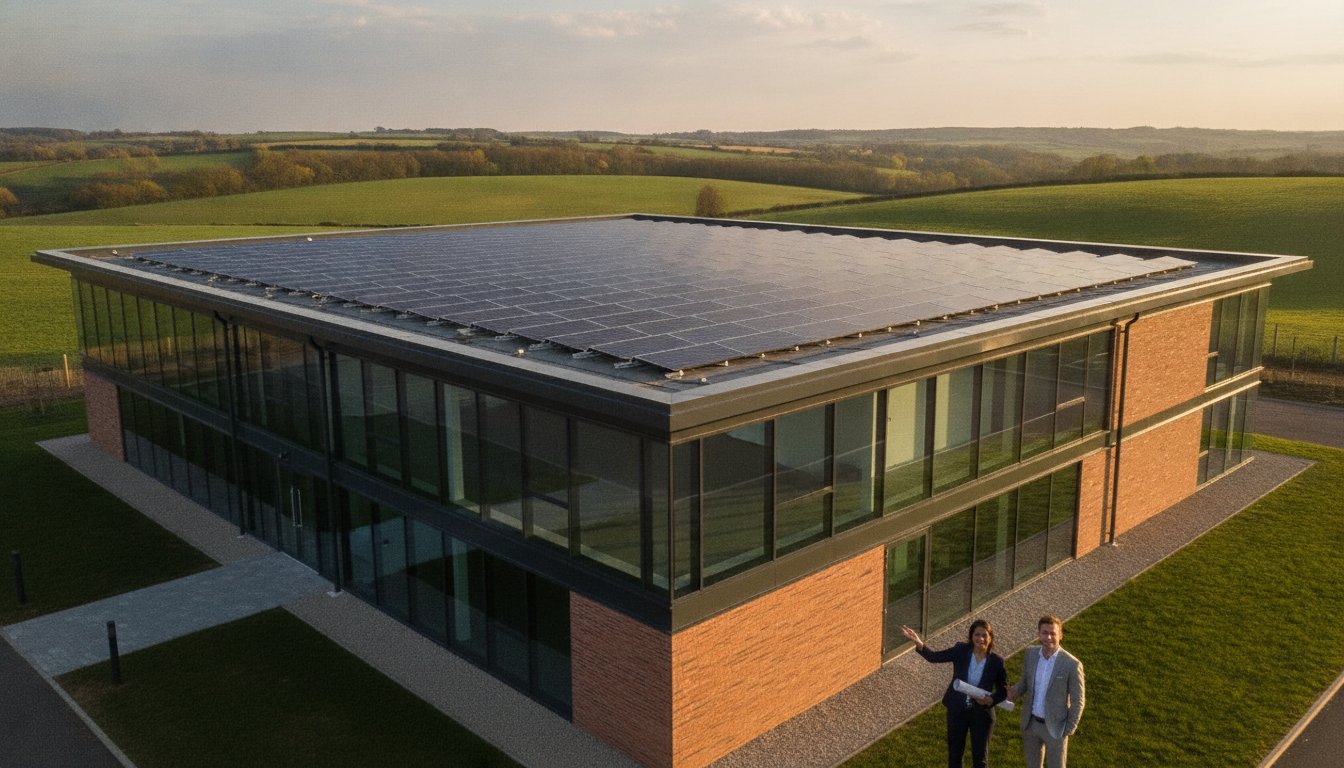
Our team is ready to support your next construction project across Hertfordshire and the surrounding counties. We offer a "partnership-first" approach, working alongside your site managers to ensure seamless integration with other utilities like solar PV and EV charging hubs. Whether you require Test Rod and Rope (TRR) services to verify existing ducts or a complete new-build installation, we provide the technical expertise to reduce project risk. Our seasoned experts remain focused on delivering compliant, high-performance infrastructure that meets the demands of 2026 and beyond.
We invite you to request a no-obligation quote tailored to your specific site needs. Discuss your telecoms infrastructure project with Empire Electrical Innovations to begin a collaborative partnership that prioritises precision, reliability, and long-term workmanship.
Securing Your Site’s Digital Future
Reliable underground infrastructure is the essential foundation of any modern Hertfordshire development. Navigating the 2026 regulatory landscape requires more than just digging trenches. It demands a disciplined approach to NRSWA compliance and Openreach build standards to ensure your network is adoption-ready from day one. By selecting the right telecoms ducting contractors Hertfordshire construction firms can trust, you mitigate the risk of project stalls and ensure a seamless transition from duct installation to fibre blowing. Precision in the early civil phases prevents the costly remedial works that often plague less specialised builds.
Empire Electrical Innovations acts as your trusted specialist, providing the technical expertise needed to bridge the gap between civils and connectivity. Our NRSWA accredited team focuses on high-quality FTTP infrastructure and provides integrated electrical and telecoms solutions. This coordinated strategy reduces site disruption whilst preparing your development for the next decade of digital demand. Whether you're managing clay-heavy soils or integrating smart EV charging hubs, we deliver the methodical, no-nonsense support your project requires for long-term success.
Start your Hertfordshire infrastructure project with a specialist consultation to ensure a compliant, future-proofed installation that adds lasting value to your site.
Frequently Asked Questions
What is the difference between a telecoms duct and a standard electrical conduit?
Telecoms ducts are specifically engineered for low-friction cable installation and strict bend radii. Unlike standard electrical conduits, they often feature ribbed internal bores to facilitate high-pressure fibre blowing. These ducts must also adhere to specific colour-coding and material standards, such as HDPE, to ensure they aren't confused with power or water lines during future subterranean excavations or site maintenance.
Does my contractor need to be NRSWA accredited to install ducting in Hertfordshire?
Yes, any contractor performing excavations or reinstatement on public highways and footpaths in the county must be NRSWA accredited. This certification ensures they can legally manage traffic and restore surfaces to local authority standards. Specialist telecoms ducting contractors Hertfordshire developers partner with must maintain these credentials to secure the necessary Section 50 licences from Hertfordshire County Council for any street works.
How deep should telecoms ducting be buried according to UK standards?
Standard burial depths for telecoms ducting vary based on the surface type and location. In footways, the minimum depth is typically 250mm to 350mm, whilst in carriageways, it often increases to 450mm or 600mm depending on the network provider's requirements. Maintaining these depths is essential for protecting the infrastructure from surface traffic loads and accidental damage during routine utility maintenance or future landscaping works.
What is Test Rod and Rope (TRR) and why is it necessary before cabling?
Test Rod and Rope is a diagnostic procedure used to verify that a duct is clear of obstructions before cabling begins. A flexible rod is pushed through the conduit to check for silt, collapses, or sharp bends. Once confirmed clear, a draw rope is installed. This step is mandatory for telecoms ducting contractors Hertfordshire projects to prevent expensive delays during the final fibre installation phase.
Can telecoms ducting be installed in the same trench as power cables?
Telecoms ducting can be installed in a shared trench with power cables, provided specific separation distances are maintained. UK regulations typically require a minimum clearance of 250mm to 300mm between telecoms and high-voltage power lines. Using shared trenches is an efficient way to reduce civil engineering costs whilst ensuring that both data and power infrastructure are logically organised and safe for future maintenance.
What are the standard colours for telecoms ducting in the UK?
Telecoms ducting in the UK is primarily colour-coded purple or grey to distinguish it from other utilities. Purple is the standard for motorway and trunk road communications, whilst grey or green is frequently used for local residential and commercial network builds. This standardised coding system is essential for preventing utility strikes and ensuring the safety of engineers working amongst various underground services.
How do I ensure my new-build telecoms infrastructure will be adopted by Openreach?
To ensure Openreach adoption, all infrastructure must be built strictly to their 'Quality Network' specifications. This includes using approved materials, following specific chamber construction methods, and ensuring all duct runs are successfully rod and roped. Contractors must provide accurate 'as-built' drawings and documentation to prove the installation meets the required tolerances for seamless integration into the national network.
What is fibre blowing and how does it affect the choice of ducting?
Fibre blowing uses compressed air to propel cables through ducts, which requires a highly airtight and smooth internal system. This technique necessitates the use of high-density polyethylene (HDPE) ducts with low-friction linings. The choice of duct must account for the specific air pressure used during installation. Any leaks at joints or structural weaknesses in the ducting can cause the blowing process to fail prematurely.
Comments